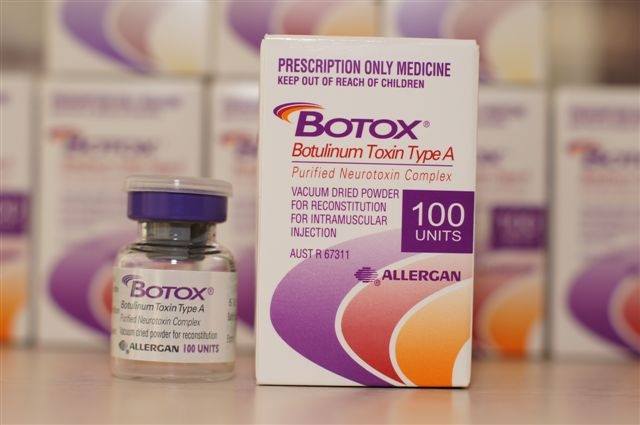

Anamnesis form for Botox procedures and filling in Word format
Introduction:
Before performing any cosmetic procedure, it is essential that the responsible professional carefully evaluates the patient. An important tool for this is the anamnesis form, which allows for gathering relevant information about the individual's health and medical history.
What is a medical history form?
The anamnesis form is a document used by healthcare professionals, including aesthetic specialists, to collect information about the patient's health and medical history. In the case of aesthetic procedures involving Botox and fillers, this form becomes even more important, as these are considered invasive procedures that require special care.
Importance of the medical history form
The patient history form is fundamental to ensuring the patient's safety and well-being. Through it, the professional can identify possible contraindications and specific indications for each person. Furthermore, the patient history form helps establish a relationship of trust between the professional and the patient, as it demonstrates an interest in knowing and understanding their needs and expectations.
Contents of the medical history form
The medical history form should contain information ranging from basic personal data, such as name, age, gender, and occupation, to questions related to the patient's health and lifestyle. Among the information relevant to Botox and filler procedures are:
1. Medical history
In this section, the patient should provide information about pre-existing conditions, whether they are taking any ongoing medications, allergies, and other health problems relevant to the procedure.
2. History of dermatological problems
The patient should report if they have ever had skin problems, such as dermatitis, severe acne, rosacea, among others, and also inform if they have undergone any treatment previously.
3. Use of cosmetics
The professional should also know which skincare products the patient uses regularly, including cosmetics, as some of them can interfere with the procedure's outcome and even increase the risk of adverse effects.
4. Expectations regarding the procedure
It is important for the patient to express their expectations regarding the procedure, as this allows the professional to assess whether these expectations are realistic and whether the procedure is appropriate to achieve the desired results.
5. Contraindications
Finally, but no less importantly, the medical history form must address any potential contraindications for Botox and filler procedures. This includes situations such as pregnancy, breastfeeding, active autoimmune diseases, among others.
Final considerations
The patient history form is an extremely important tool for aesthetic procedures involving Botox and fillers. It allows the professional to obtain the necessary information to ensure the safety and success of the treatments. Furthermore, the patient history form demonstrates the professional's care and concern for the well-being of patients, promoting a relationship of trust and excellence in service.
Therefore, when choosing to undergo Botox and filler procedures, always prioritize qualified professionals and request that the medical history form be filled out correctly. This simple measure can make all the difference in achieving the desired results and preserving the patient's health.